Low light Photography – Learning Activity

Fun With Slow Shutter Speeds

During this assignment you will get familiar with working in a darker environment and how it affects buildings and people while using slow shutter speed.

Learning Activity

Fun with slow shutter speeds

  • Wait until it’s almost dark outside. Take your camera and go and sit in a busy tourist area. Choose a building or statue to photograph. Place your camera on a tripod and set the shutter speed to 30 seconds or more (if you don’t have a tripod, something stable, like a chair, will also work. If you don’t live close to a busy street, just get one or two people (or even your dog) to move up and down past the camera during the 30 seconds).
    Take a look at your photograph. Do you see a lot of people in it or just the building/statue?
  • What would happen is the people walking in the photo would look like smoke or mere shadows of themselves going across the photo, also depending how fast or slow they are walking would determine how much of them would stay in the photo. The statue, which is static, would be clear.
  • Wait until it’s dark. Go and stand on a bridge over a busy street (or look from the window of a high-rise building). Place your camera on a tripod and set your shutter speed to 30 seconds or more. Inspect your photograph. What do you see?
  • I did this back in March, then I formatted the memory card without saving them to my PC and I can’t be bothered to stay up long enough for it to get dark enough. But I remember the settings, I set the shoot time to 30 seconds, ISO to 100, and the lowest aperture. I didn’t do much to the white balance, I could play with the settings more. The light from the running cars creates streaks of light in the photo.
  • Ask a friend to help you with this activity. Choose a dark room in your house and switch off the lights. Place your camera on a tripod and set your shutter speed to 30 seconds or more. Ask your friend to “draw” a picture in the air using a flashlight. Take a look at your photograph. What do you see? This fun activity is called light painting. Try an easy pattern first, but also a more complicated one.
  • Here are my attempts, I used my phone flashlight to draw. I set my camera lens to 10 seconds, since 30 second took too long and it was not needed.
SONY DSC
SONY DSC
SONY DSC

Shooting in Low-Light Conditions

Question 1 

Written assignment (4 hrs)Describe the steps that you will take to ensure that you take a high quality photograph in low light conditions. Refer to exposure, lenses, tripods, colour temperature, flash and ISO.

Low light and night photography makes beautiful photos, but the setup and settings are a bit more crucial than when taking photos in highly lit settings. In low light settings the camera needs more exposure time to register the light there is. With longer exposure time the camera is more sensitive to movement, therefore it is important to stabilise the camera with any kind of tripod or ground. Also have moving objects in mind and what they can add to your photo. As for every time we take photos regulate the colour temperature to match and bring out what you want. Flash is a great artificial light source if you need some extra light, keep in mind that it is a harsh light and change your settings accordingly. The ISO adds light to the photos taken, but relying on ISO alone will add a lot of noise and grain to the photo, thought it is not alway optimal, it can add a cool and moody effect.

Having fun with brand identity- Learning Activity

This week we’re learning about brand identity, strategic design and visual identity.

1)Do you think the movie provides insight or detail into what drives product placement in entertainment?
If so, what have you learnt from that? If not, how would you change aspects of the movie to reflect insight on this?

-Yes, absolutely! In today’s influencer and blogger world this is so relevant it’s everywhere. Personally I take every product placement with a grain of salt, even if it’s a review I’m sceptic since I know how much influence companies have. This also affects this movie in my opinion, either that’s Morgan being unconsciously influenced during all of his meetings or the contracts them selves, even tho Morgan got this attitude that it would not be a problem. Overall I think it gives us great insight, but I can’t help but think what else is behind it.

2)What have you observed about presentations of visual strategies/brand identity?

– Association is the word that comes to mind, the company and consumer much associate and relate to the idea. And also a clear idea of what your ideas represents. For instance, in the meeting with Ban the executives didn’t seem to have a clear collective idea of their brand. I almost fell of my chair when the one lady mentioned something about “advanced technology “ as their one word only description, for a deodorant, what?!


3)Let’s consider this movie as a form of research. In other words, it was done to see what the effect of branded entertainment would be, a case study of sorts. What are your findings? What have you learnt? What has changed your pre-conceived ideas? Do you think there’s relevance in this case study? How could you apply your observations in real life?

– After seeing this film I think of brand deals as a double edged sword, it has it’s goods and bad. I think is negative when it has too much influence or a influence that takes to much charge and drives the project to a different direction. I think research and studies are a great example, take for example Exxon/ oil industry or the tobacco industry, both did research on their products and the research show how bad it was for the environment and your health. But they chose to cover it and cause major suffering. This goes for food information as well, a study on the environmental impact of agriculture sponsored by the meat industry, is highly unlikely not to be biased. I think it’s sad that I can’t fully trust even research, but unfortunately business, reputation and money is the main priority for most companies. I never thought of how much product placement there is in movies tho.

4) From the findings above (question 3) imagine that the international coffee brand, Starbucks, is your client. Give one complete strategy for a small activation campaign to advertise Starbucks on aeroplanes. Give one idea of how you would do this, by following the 5 steps of the work process. To guide you, follow the points below and do a write-up of your idea as well as the steps you followed:
Conduct research – you can visit the website http://www.starbucks.no as part of your research. Also think of quick research methods, such as surveys done on family and friends.
Clarify the strategy – Once you’ve conducted quick research, do a write-up of your findings and create your own brief.

In Norway Starbucks is already really established at the airports, but we don’t see much at the planes. At Starbucks cafes they often have a big maps showing where their coffees are from. When I went to Japan, one of the points on my check list was to go to Starbucks because of their special drinks. Ah man I wished they could make them everywhere! One strategy could be to serve an easy making coffee or tea at the plane with a little booklet/note with facts or of beverages to try at the final destination. I think that would be a great cultural fact and fun thing to know when you visit a new destination. Also it should be possible to have that piece of memory in your own country.


Design the identity – Here you do not need to go into lengthy design, but create sketches of your ideas and remember to think about the movie for inspiration.

I vision a more conceptual design, but the premise is that the note should really embody the destination.


Create touchpoints – As this is a focused campaign, you may have one touchpoint only; describe how you would activate your campaign using this touchpoint. If you need to, you may do sketches that would aid your communication.

I see a few touchpoints that can be created, beginning at the airport cafes or even in collaboration with the airplane company promoting discounts or encouragement. In Norway the planes usually carry a magazine and Starbucks could place an ad in there. Last touchpoint would be the food and beverage wagon the flight attendant carry.


Manage the assets – As this is not a prolonged campaign, briefly describe how you would use the possible outcome of your campaign for future use. Also state what your follow-up steps would be to strengthen your message. For example, you’ve done research and decided to give free vouchers along with every boarding pass handed out. How would you collect feedback from consumers or how would you communicate to them at the airport, on the flight, etc. to support your campaign?

This could be a new brand extension, connecting the world through coffee and tea, beautiful! Consumers could tell about their experience through social media and hashtags since that is a common way of sharing their world discovery. The consumer could be encouraged to share their experience and thoughts with Starbucks through SoMe, direct tweets or surveys, through SoMe or newsletters, todays companies got so many ways of communicating with their audience.

A Knack for Name – Learning Activity

Consider the tips on Inspiration given in your prescribed book and create a name for an ice cream. The ice cream has a range of different flavours, but the unique aspect it should communicate is the fact that it is the coldest ice cream in existence. Now come up with five name options for this product (you should not spend more than a few minutes on each name) using inspiration from:

  • Latin – glacies crepito, glacialis
  • Colours – IcyBlue
  • Metaphors – Coldasice, Cold as ice
  • Science – Dry Ice
  • Myths – Norse, Valhalla

The Components of Visual Identity – Learning Activity

Getting to grips with the components of visual identity

Name the three most important components of visual identity.

Logo – Color – Typography

Describe the difference between logotype and signature.

Logotype – A logotype is a logo centered around a company name or initials. It can also the be known as the wordmark.

Signature – A signature is the structured relationship between a symbol, a wordmark, and a tagline

Signature example - Wallmart

Using Kuler create a colour scheme (using only three colours in each set) for the following products:

  • A rich chocolate cake that is made from real chocolate. The keyword here is “quality”.
  • A courier company that delivers internationally by air, land and sea – their main focus is fast delivery.
  • An international insurance company that focuses on family values.

Write your name in four different typefaces, according to the following criteria. Use a typeface that:

  • expresses a unique quality about you
  • is inspired by your favourite food
  • makes your name look sophisticated
  • is drawn by hand
First a grotesk like type because I see myself as versatile. A font I see at pizzerias, as I love pizza.

Mastering the Art of Product Photography – Learning Activity

Product photos are an important part of displaying a product to an audience. It is important that the photos are sharp with no soft focus and very soft shadows. The background should be white, or an other light neutral color.

The ingredients for this are a evenly lit setting make sure there are no harsh shadows, ISO set to 100 or lower (above 100 ISO will cause grain), the right white balance (schoolbooks says «sunny» should fit most occasions), a high quality file like RAW, shutter speed at 1/8 or above (lower shutter speed may cause grain).

Make a DIY light tent

And my light setup.

Photograph something…

Shiny
Some liquid
Something hard
Something fluffy

Edit and explain

For all the edits I just did some adjustments by changing the curves and color balancing. I haven’t developed a strategy for when I edit, yet. But basically I tried to balance out overflow of yellow tones with blue tones etc.

Front cover – Learning Activity

«Chose a style and artist in Graphic design history that you think fits your personality the most, create a front cover for a magazine, kind of represent yourself in a magazine.»

I really love the Japanese influence in design in general. It got a minimal yet detailed look, and I especially love the combination of old arts in a modern way.

Here’s my cover, or poster sort of. The left box contains my name in hiragana, along the right side a saying about how things always seems more difficult until you actually do it. And three untranslatable words: wabi-sabi – beauty in imperfection, shinrin yoku – walking in a forest for relaxation, and ikigai – your life purpose. These are all things I incorporate in my life some way .

Some cut outs of the essence of Japanese graphic design.

The typical elements of Japanese graphic designs are strong colors, visualized personalities, and overdone character designs, all densely combined on a single outline. They cover more or less all meaningful techniques a designer should consider to get inspired.

The first thing that will capture your attention on a Japanese design is the teeming palette that brings it to life. Japanese graphic designers focus on warm reds, gold, and even black, but a deeper look through their archives reveals an even richer spectrum of colors.

Japanese culture does rely heavily on the use of color. Waking on the Harajuku streets, for instance, or the vibrant surrounding of Shibuya are the best examples for that. Japanese people are simply in love with warm hues, and they make this obvious in their graphic artwork.

The secret of Japanese graphic design’s success is that craftsmen are not afraid to overdo their work. Instead, they’re deliberately making colors clash so that the result would look more vibrant, and so that it would never go unnoticed

Japanese graphic design has another valuable secret to reveal, and that’s the unique combination of Roman and Japanese typography. The two languages may be as different as it gets, but putting them on the same sheet looks intriguing and irresistibly engaging, and not only for bilingual people

Japanese designs make heavy use of gradients – you will often see subtle and warm colors bleeding and fading one into the other, helping backgrounds become more lively and intriguing.

https://www.designyourway.net/blog/graphic-design/japanese-graphic-design/
https://www.shillingtoneducation.com/blog/10-favourite-japanese-creatives/
https://www.itsnicethat.com/articles/ryu-mieno-japanese-graphic-designer-posters-140217
https://inspirationfeed.com/japanese-graphic-design/
https://agatayamaguchi.com/index.html
https://www.itsnicethat.com/articles/ryu-mieno-japanese-graphic-designer-posters-140217
http://mieno-ryu.com/wp/

Typography – Learning Activity

What is typography?

The word typography is rooted in Greek and is made up of τύπος typos = «impression» and -γραφία -graphia = «writing». It is both the technique and art of arranging type to make written language legible, readable, and appealing to read. This include selecting typefaces, line lengths, line spacing and letter-spacing. Typography is also applied to the style, arrangement, and appearance of the letters, numbers, and symbols. There are different levels of typography, ranging from arranging single words to a whole layout.

The main purpose of typography is to display information, effectively and make it easy to read.

What is not typography?

Explaining what is and isn’t typography is confusing, I know the differences but I can’t explain it, at least not with in a sentence. I would say that typography is a technical art, it’s systematic, mathematic , where sending information is it’s main mission. Lettering, calligraphy, handwriting, letter carving etc. are visual art, where uniqueness, decoration and expression comes first and information is secondary, absent or up for interpretation.

Case study of Airbnb typeface: https://eyeondesign.aiga.org/airbnbs-new-typeface-is-a-case-study-in-unified-accessible-design/

A day in typography

I documented typography on the Sunday I traveled for winter break. bottom left are from some things lying around my room. Recently they switched up the train companies around here so I decided to compare GoAhead’s and VY’s menus. To the left is GoAhead and right is VY, right away I definitely like GoAhead’s menu, it’s very appetizing! I did take the night train and it’s may not be the busiest hours for the cafe wagon. I found my absolute favorite at my destination, Røros, in a gift shop, don’t know if it’s the sassy names or the typography, but it caught my eye from a distance.

Practical Assignment

Sources

https://en.wikipedia.org/wiki/Calligraphy

https://en.wikipedia.org/wiki/Typography

Sketching Techninques – Learning Activity

Printing terms

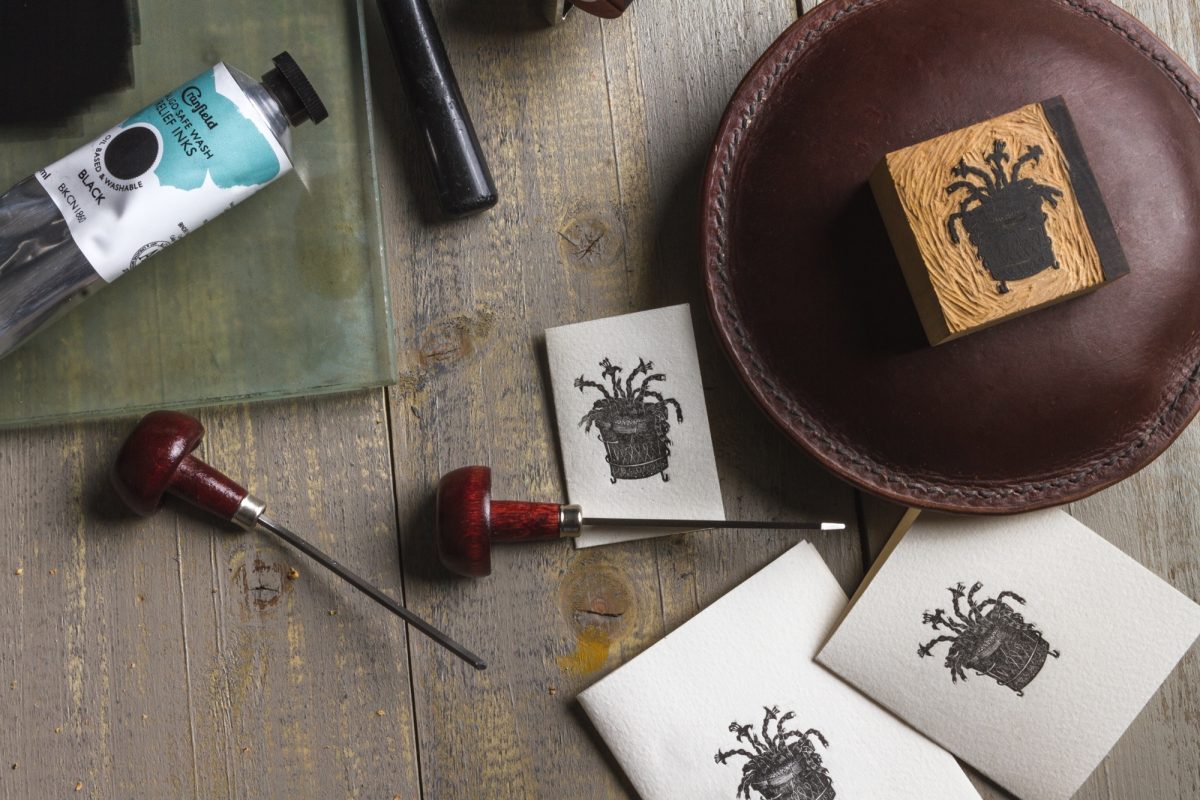
Wood engraving – The motive or text is carved out of a piece of wood, rolled with paint or ink and then pressed to make a print. Wood is great because it can be light in weight and easily engraved (it’s a soft material) . It can be great for bigger prints and smaller prints.


Linocut
– The image is cut out of soft linoleum. The artist then puts ink on it and creates prints by being pressed. Great for beginners and it’s the softest material to engrave on.

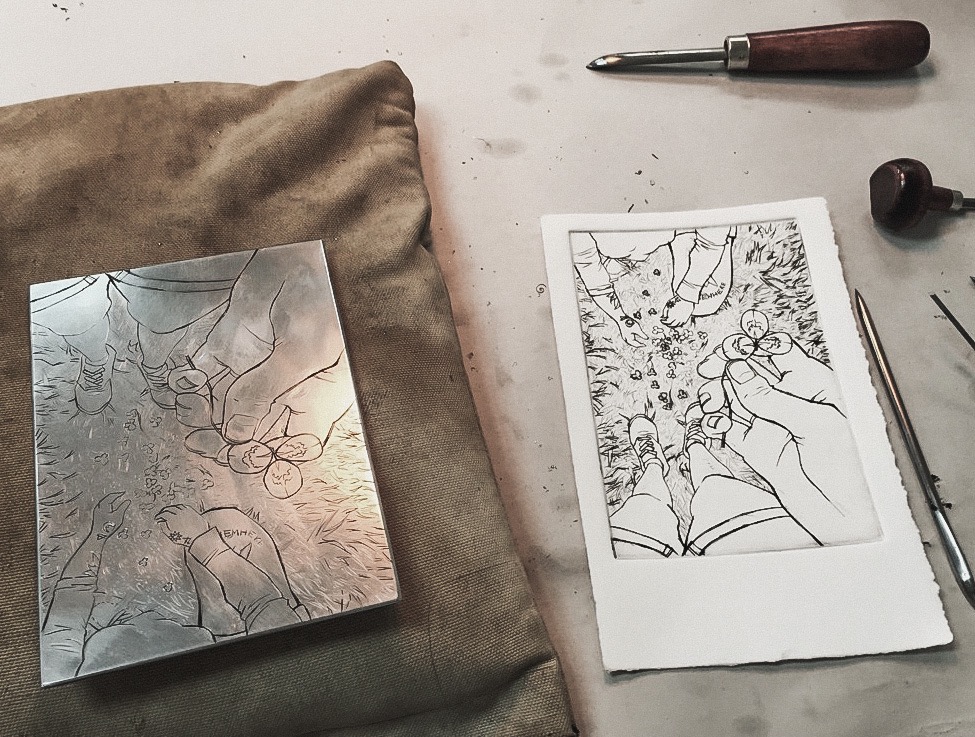
Drypoint. The image is scratched out of a soft metal, glass or acrylic glass plate, before being inked up and printed off on a press. 

Etching. Wax is applied to a stiff metal plate. Some of the wax then gets scratched away to form an image or design. The metal plate is placed into an acid bath to eat away at the exposed metal. The plate is inked up (pushing ink into the grooves) before being printed off on a press.


Engraving
. A line is cut into the metal plate, inked up, and printed off. (Bank notes are produced in this way).

Image result for engraving print"

Lithography. Wax is applied onto stone tablets. The tablets are inked up (the ink will not stay on the wax, so it creates a “negative drawing”), and a drum is rolled across the tablet before transferring the ink (and therefore the image) to paper.

Image result for lithography"

Screen-printing. Masks are made up (these masks prevent the ink from reaching certain areas of the paper) before coloured inks are pushed through a fine silk screen using a rubber squeegee, past the masks, and onto the paper.

Image result for screen printing"

Monoprinting – The motive is created on a plate, either by painting the motive or covering the plate in paint/ink and scraped off leaving negative space. A paper is then laid over and rolled, to make sure all the paint is being transferred.

Image result for monoprinting"

Digital printing. Digital printing technology is used in innovative ways to produce limited edition, digital fine-art prints.

Image result for digital printing"

Sphere Sketches

Illustrate a poem

I searched poems on Pinterest and found a quote/poem allegedly by Vincent Van Gogh , saying;

«Normality is a paved road. It’s comfortable to walk, but no flowers grows.»

Vincent Van Gogh

I constructed it by setting it up like a perspective image and filled in the road and sidewalks with the lines that fits.

Graphic Design History – Learning Activity

Modern graphic design started in the 19th century, during the industrial revolution. The invention of the steam engine and machines lead to more time and cost efficient production of products. This leads to mass production and competition, because of growing competition companies had to advertise for them selves to attract costumers.

Before the industrial revolution everything was crafted by hand, delicate, sturdy and carefully crafted. Take textile weaving, hand woven textiles are tighter woven, sturdier, took a long time to produce and way more expensive, often it was just the highest elite whom could afford certain textiles. After the industrial revolution textiles became easier to produce and cheaper, not actually better quality. As a reaction against the new practice of using machinery, the Arts and Crafts movement started, they wanted to take back the craftsmanship and the artistic touch which the machines couldn’t copy. In the Graphic design department some took inspiration from the medieval way of write books.

From the Arts and Crafts movement Art Nouveau/Jugendstil developed, putting even more emphasis on bringing the more fine arts back in style but with more organic shapes and forms. Personally one of my favorite styles through time, it is simpler or more elegant than Arts and Crafts but the organic shapes are so over elaborate, I think especially the architecture is so unique and a real stand out from what we have seen before. From these highly decorative movements new movements arise against them.

During the Great War and within the Russian Revolution the movements supermatism and constructivism came through. Supermatism is one of the earliest and radical developments in abstract art. Constructivism much like supermatism was geometric, abstract and minimal. During the Russian revolution the monarchy was overthrown and Russia became a republic state, these art styles was somewhat a reaction against the monarchy, classical art and the distorted world during the world. With the new art may felt more safe, relatable and sturdy than the elaborate classic art picturing wealth and upper class.

De Stijl

Started in 1917, in Netherlands. Their principles rooted in mathematical grids and shapes, creating harmony and a utopia based on geometry. It used only black, white and the primary colors (blue, yellow, red). It’s abstract, clean and the base of modern design. De Stijl typography is sans-serif and bold.

Piet Mondrian made iconic pieces in these patterns of lines and colored squares.
De Stijl inspired World Map.

Bauhaus

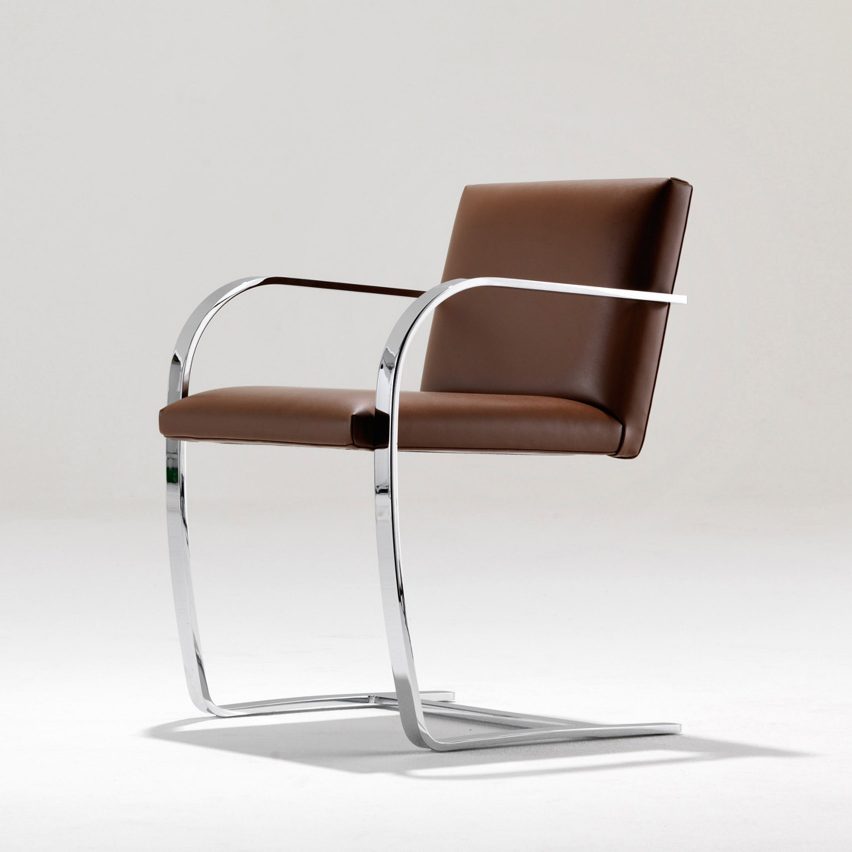
Was a school and operated from 1919 to 1933. Their ethos combine fine arts and design, creating harmony between mass production and the artistic spirit of individuality. Students worked in many different fields eg. pottery, painting, typography, sculpture, architecture and graphic design. Students learned both design and fine arts, gaining knowledge of production and skill in craft and art. Their style is minimal, elegant, geometric shapes were favored, materials should reflect their true nature (eg. not be covered by textile covers etc.) and not adding ornaments as function should come first.

10 of the most emblematic pieces of Bauhaus furniture and homeware you should know
D42 Armchair Natural Cane

Swiss Design

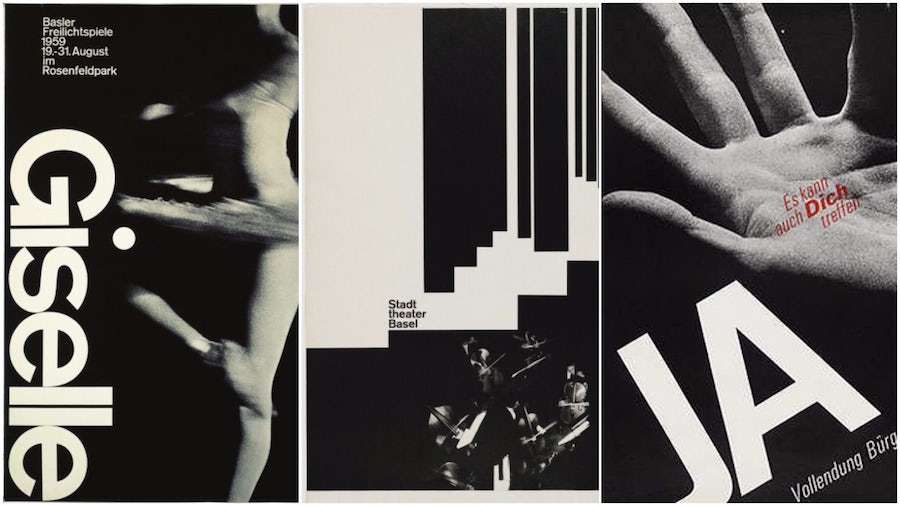
Started in Switzerland in 1940-1950 . Inspired by De Stijl, Constructivism, Supermatism and Bauahus. Their ethos rejects the attempt to replicate the crafts of pre-modern society and to privilege the subjectivity of the artist. It embraces the modernity , clarity and anonymously of machine-based design. Form should follow function, and the design’s content should not be overshadowed by the artist’s subjectivity. Swiss Design typography is the well known Helvetica font, with literally translates to «Swiss» in Latin.

Image result for modern swiss design"

Sources

http://www.designishistory.com/

http://gdh.2rsolutions.cz/#

Gestalt Theory – Learning Activity

Second year expectations

Finally back after a very needed Yule-break. Last week we did a kick start assignment about our journey so far and expectations for the new year and starting our second year as Graphic Design students. For this year I’m focusing on creating balance and getting my priorities right, last year I didn’t priorities very well and my work load wasn’t sorted evenly, I ended up having huge piles of work to do right before deadlines and on top of that choosing to take more shifts at my part-time job. This year I’m planning for what’s needed to be planned, and tackling surprises as they come.

Definition

Gestalt is German for «unified whole». It’s about how we and our brains see patterns , understand groupings, how we «connect the dots» if you will, literally. Gestalt has six principles; closure, proximity, continuation, similarity, figure and ground, and symmetry.

Principles in action

Statoil is the Norwegian state’s oil company. The icon shows both a flame and a oil drop, I would put this under the «figure and ground» and symmetry category, at first look I would add the closure principle too since that is the way I have looked at the logo for years, until I was told the figure in the middle was supposed to be a drop.

Norges Husflidslag is where we get our national costumes aka bunad, it’s an organisation that preserved old and new traditions within cultural crafting such as knitting and sewing. The icon is inspired by the Selbu Rose, it’s composed with repetitive shapes in symmetry, i would categories this as similarity, proximity and symmetry.

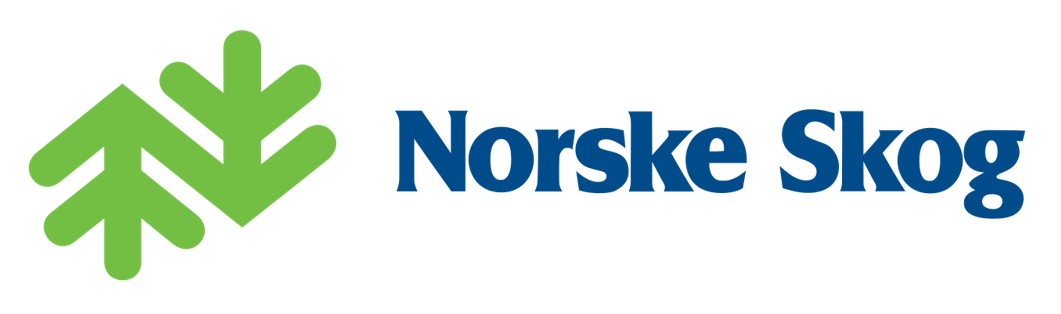
Norske Skog translates literally to Norwegian Woods/forest, they cut wood and make paper. This logo is a mix of continuation and similarity .

Tine is Norway’s biggest dairy provider, the blue icon is and old traditional cheese tin. I’ll start with the blue tin as it stands out with colour and the general shape, therefore I would add the proximity principle to the mix. The red Tine icon is a figure and ground principle. And the principle the ties the logo together would be symmetry as the icons are aligned and centered to each other.

Picture

Themes of Thinking

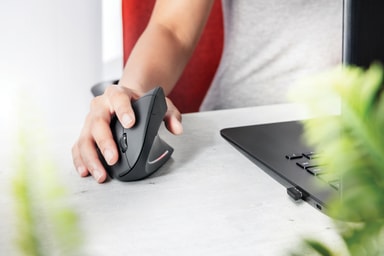
Ergonomics – Ergonomics is the practice of designing in accordance with physical human needs, to optimise performance and minimise discomfort. Ergonomics focuses on safety, efficiency, productivity and health in work settings to ensure that products, services and environments are compatible with the human form.

Ramen Noodle Poster

Focus – Select only the key messages or elements as the focus for the design. A company may have many products or projects, but the design should focus on the most important ones. Information about other aspects of the company can be provided via other communications such as printed materials, brochures or the web page.

Aurora

White Space – Some believe that white space allows key design elements to breathe and be easily seen. It also helps the viewer to focus attention on them, giving them greater impact. Clients often feel that white space is wasted space, so throughout your design career you will cast war against clutter and educate clients about the value of breathing space.
Rising Vibes

Graphic Impact – According to many designers, graphics should create a visual impact that grabs the attention and reinforces text communication. However, if there are too many graphics or if graphics become too large or complicated, it may become distracting.

sources

https://en.wikipedia.org/wiki/Gestalt_psychology

https://www.interaction-design.org/literature/topics/gestalt-principles

http://www.foxcroftarts.org/gestalt.html